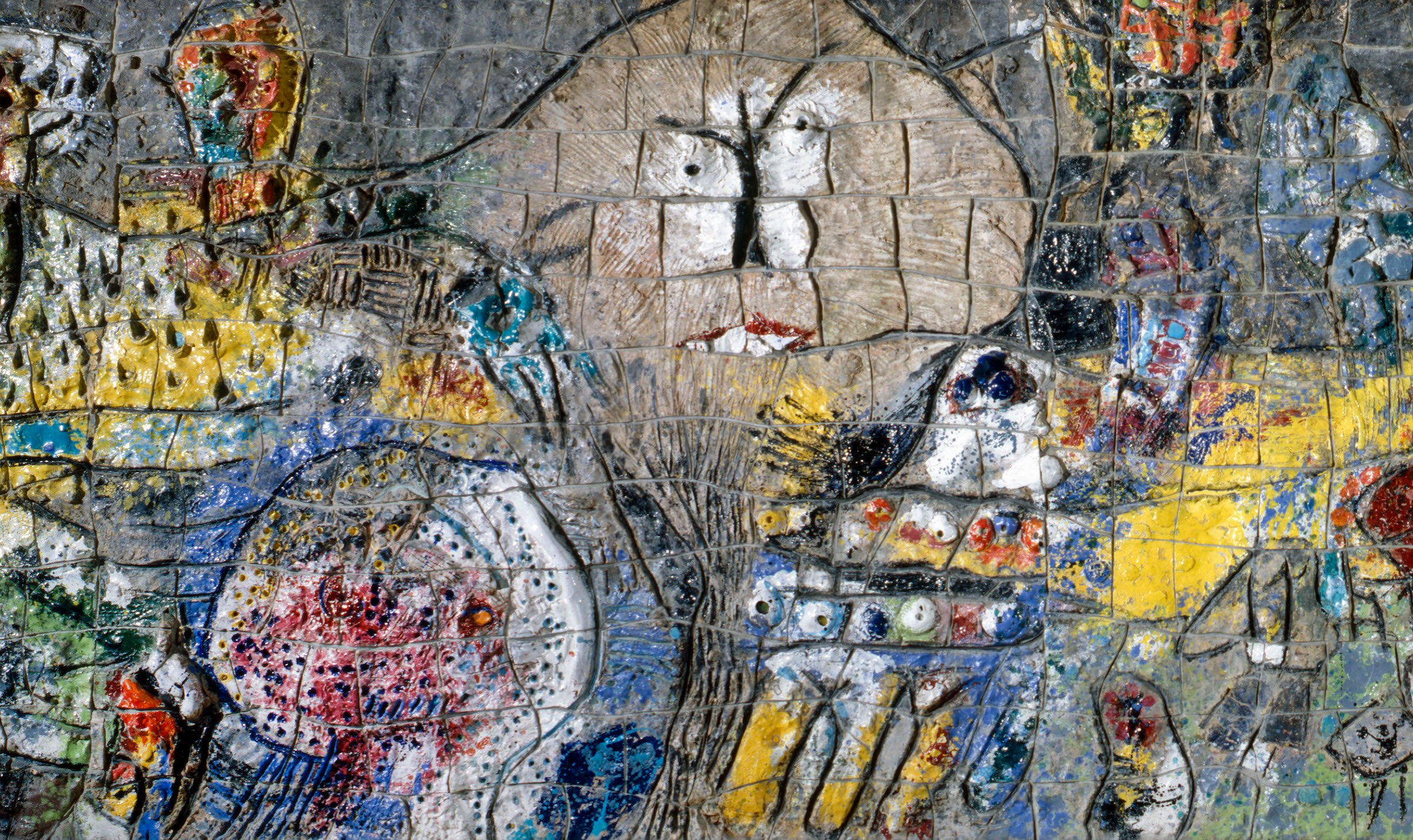
At the end of 1953, Asger Jorn longed for a new beginning. He had given up his involvement in the international CoBrA movement, survived a serious case of tuberculosis, and, through the production of a series of ceramic works, had laid the foundation for the large art collection in Silkeborg, which is now housed at Museum Jorn.
In Italy, Jorn discovered new opportunities in 1954 to further develop his experimental art and international collaborations. There he settled, founded the avant-garde movements Movimento per una Bauhaus Imaginista and the Situationist International, and created some of his absolute masterpieces, including the painting Stalingrad and the large relief for Aarhus Statsgymnasium.
The lecture will outline Asger Jorn's multifaceted activities in Italy, which were crucial for his artistic development, aesthetic thinking, and international recognition.